The Wide World of Cannabis Concentrates: A Practical Guide
Understanding the Spectrum of Cannabis Concentrates
Over the years, I have watched the shift from simple flower to the rich variety of cannabis concentrates that now dominate conversations among seasoned users. The first time I tried a proper dab, I remember being struck by the purity of flavor and the immediate effect. It is a different experience entirely, one that rewards careful preparation and a bit of knowledge. Whether you are curious about trying your first concentrate or looking to deepen your understanding of what is available, the key is knowing what each product demands in terms of equipment and technique.
What Exactly Are Cannabis Concentrates?
At their core, cannabis concentrates are products made by extracting the desirable compounds from the cannabis plant, leaving behind excess plant material. The result is a substance far richer in cannabinoids and terpenes than dried flower. The goal is to isolate the resin glands, or trichomes, that contain the bulk of the active chemistry. These products can range from brittle solids to sticky semisolids, and each form has its own character. I have found that the best way to appreciate the differences is to understand how each type is made and what that process does to the final cannabinoid profile.
Solventless Extraction vs. Chemical Methods
One of the first distinctions to learn is between solventless extraction and methods that use hydrocarbons or other solvents. Solventless techniques use only physical separation: pressure, heat, or cold. The most straightforward example is hand-pressed rosin, where heat and pressure squeeze the resin from the flower or hash. I have pressed rosin at home with a simple setup, and the results can be remarkably pure, capturing terpenes without introducing any foreign chemicals. On the other hand, hydrocarbon extraction, often using butane or propane, can yield very pure THC-A crystals but requires careful post-processing to remove residual solvents. Both approaches have their fans, and both can produce excellent material when done with care.
Forms and Textures: From Shatter to Budder
The texture of a concentrate tells you a lot about its composition and how it was handled. One of the classic forms is shatter, a glassy, translucent concentrate that snaps cleanly when broken. I remember my first encounter with shatter; it was so brittle I accidentally sent a piece skittering across the table. The name is literal. Shatter is usually produced by a chemical extraction method, often using BHO (butane hash oil) as a base, then carefully purging solvents. When stored properly, it remains stable, but heat or agitation can cause it to turn waxy.
Then there is budder, which has a creamy, butter-like consistency. It is essentially a concentrate that has been whipped or agitated during processing to encourage the crystallization of cannabinoids, resulting in a smooth, spreadable texture. I have found budder to be incredibly forgiving for beginners because it is easy to handle with a dab tool. The flavor can be excellent, especially when the starting material is high in terpenes.
Live Resin and Hash Rosin: Capturing Freshness
One of the most exciting developments in recent years is the rise of live resin. Unlike traditional extracts that use dried and cured plant material, live resin is made from plants that are frozen fresh, immediately after harvest. The plant is flash-frozen, then agitated in ice water to separate the trichomes. This ice water hash is then dried and often pressed into a concentrate. The result is a product that retains a more complete terpene profile, offering flavors that taste remarkably like the living plant. I have tried live resin that smelled of fresh pine and citrus, a vividness I rarely find in aged concentrates.
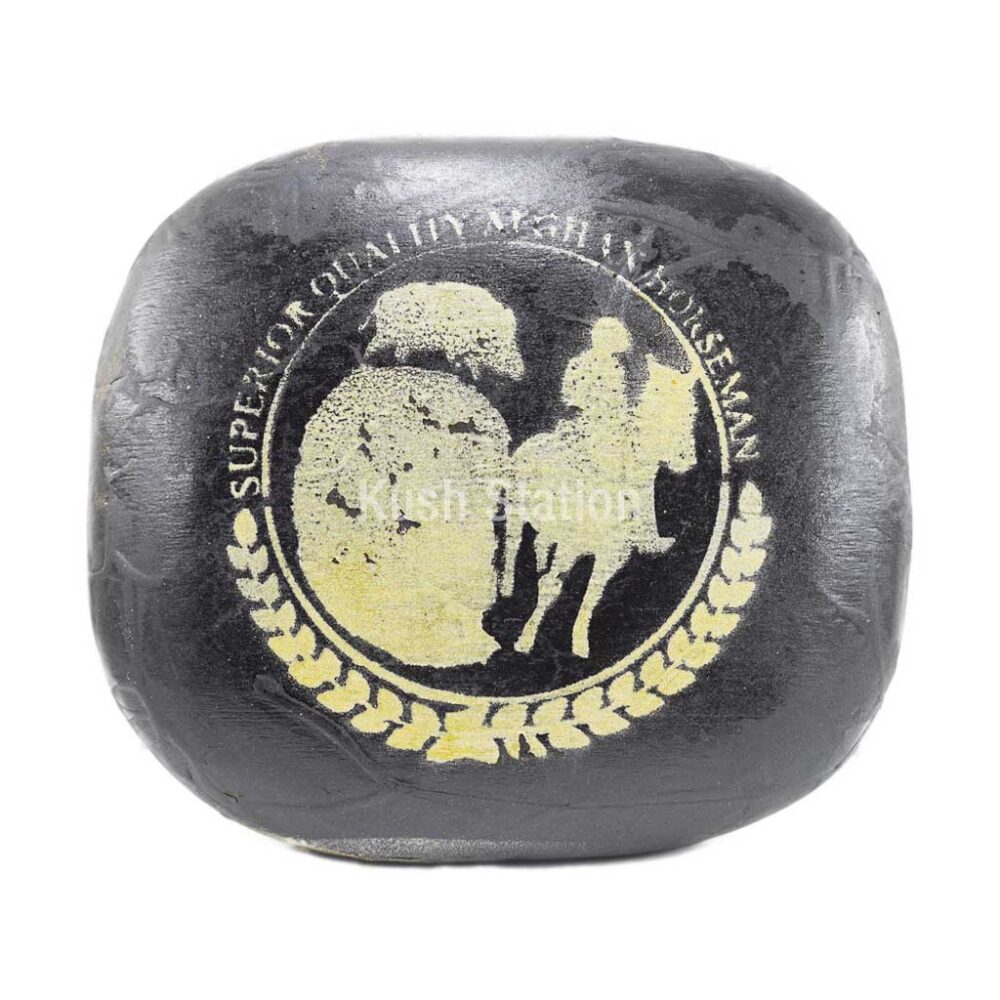
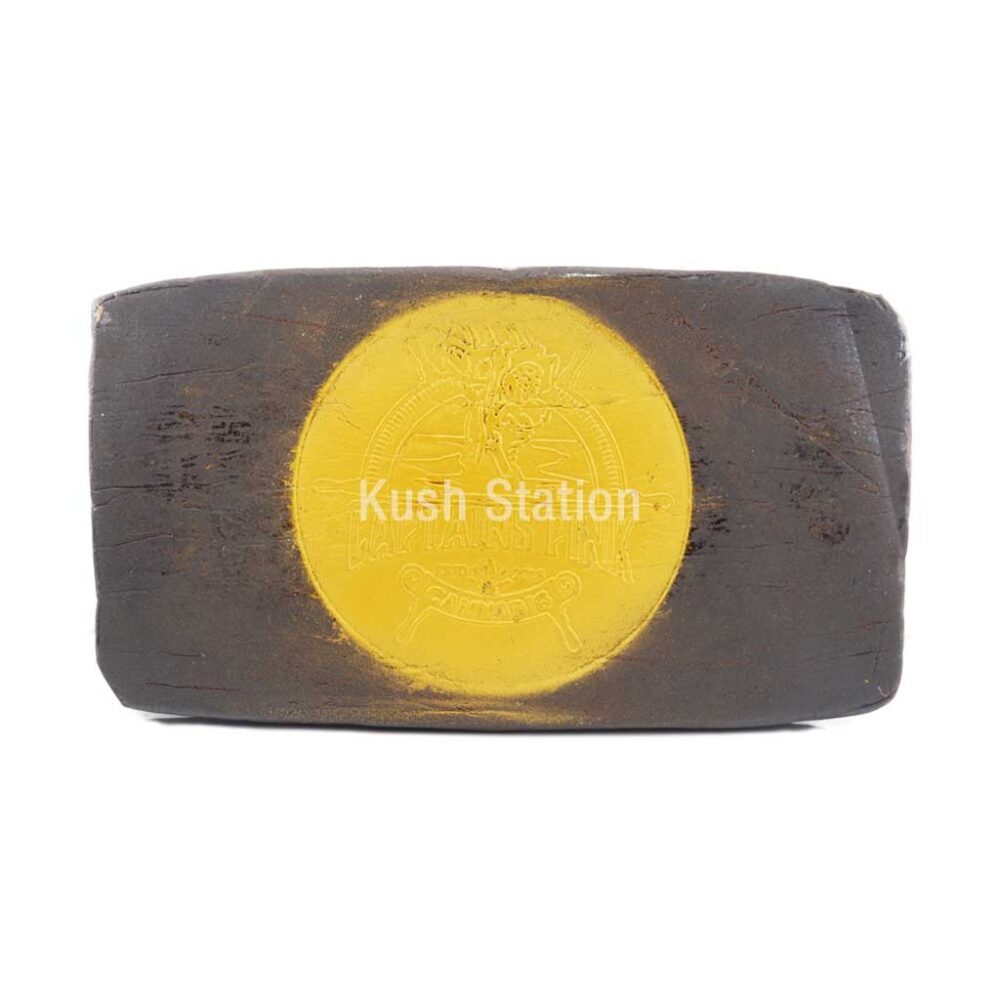
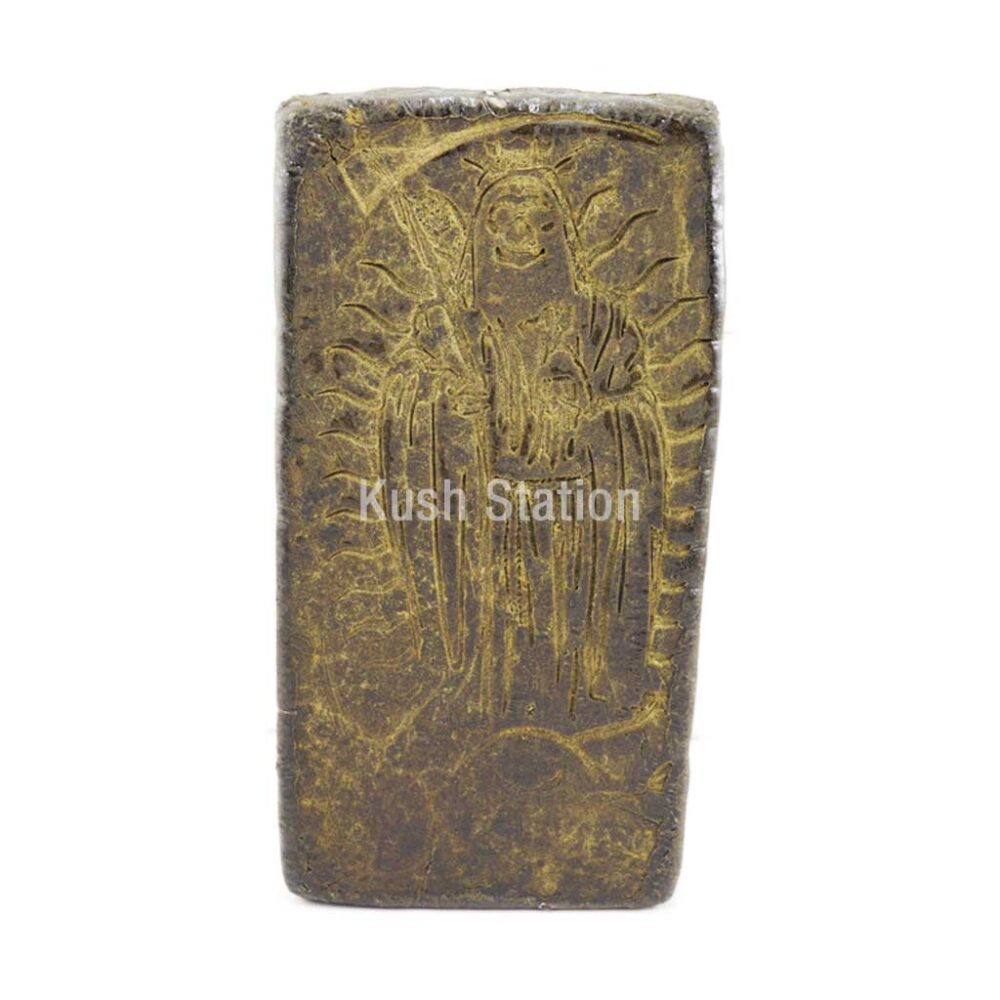
Hash rosin takes a similar approach but starts with cured hash rather than fresh plant material. The hash is pressed into rosin, yielding a concentrate that bridges the gap between traditional solventless rosin and the nuanced flavors of live resin. It is a favorite among those who want the purity of rosin with a slightly different mouthfeel.
Equipment Matters: Dabbing Well
Getting the most out of cannabis concentrates requires the right gear. I have made the mistake of using a cheap setup and ending up with a harsh, burnt hit that wasted good material. The standard tool for dabbing is the dab rig, a water pipe designed specifically for vaporizing concentrates. The most common heating element is the quartz banger, a bucket-shaped nail that you heat with a torch. Quartz is popular because it heats evenly and imparts no flavor, but it requires careful timing: too hot and you burn off terpenes, too cool and the concentrate pools without vaporizing.
Temperature control is crucial. If you heat a quartz banger red hot and let it cool for exactly the right time, you can achieve a low-temperature dab that preserves flavor. I have found that an infrared thermometer helps dial in the perfect temperature, usually between 315 and 450 degrees Fahrenheit. For those who want precision without guesswork, an enail (electronic nail) maintains a constant temperature, eliminating the torch and the learning curve. Some people prefer a vape pen designed for concentrates, using a ceramic coil that heats the material gently. The ceramic coil delivers consistent vapor but can clog if not cleaned regularly.
The Chemistry of Heat and Flavor
Understanding a bit of chemistry helps explain why temperature matters so much. When you heat a concentrate, you are causing decarboxylation of the cannabinoid acids, converting them into their active forms. But you are also vaporizing terpenes, which boil off at different temperatures. Too much heat vaporizes everything at once, producing a harsh vapor and losing the subtle flavors that make each concentrate unique. A good dab is a balancing act: you want to activate the cannabinoids without destroying the terpenes. That is why live resin, with its abundant terpenes, can taste so vibrant when dabbed at the right temperature.
Specialized Products: CBD Isolate and THC-A
As the market matures, we are seeing more refined isolates. CBD isolate is a crystalline powder that contains virtually no THC, appealing to those who want the potential benefits of CBD without psychoactive effects. It can be dabbed or eaten, but it requires higher temperatures to vaporize fully. On the other end of the spectrum, THC-A is the raw, acidic form of THC that decarboxylates into active THC when heated. Some concentrates are rich in THC-A, offering a clean, potent experience. I have tried a THC-A isolate that was nearly flavorless, which made it ideal for mixing with terpene-rich concentrates to boost potency without muddying the taste.
Choosing What to Buy
When you are shopping for cannabis concentrates, the first thing I look at is the appearance and aroma. A good concentrate should have a strong, characteristic smell of the plant it came from. If it smells like burnt plastic or has no smell at all, that is a red flag. Texture matters too: shatter should be clear and brittle, budder should be soft and pliable, and live resin should have a wet, sticky feel. I also ask about the extraction method. Solventless extraction, like ice water hash or hand-pressed rosin, often yields a cleaner product, but well-made BHO can be just as good if the purging is thorough.
Potency is another factor. Look for products that list the percentage of total cannabinoids, not just THC. A high THC number does not always mean a better experience, because the entourage effect of other cannabinoids and terpenes plays a huge role in the overall effect. A balanced cannabinoid profile often delivers a more nuanced and enjoyable high than a one-note extract.
Final Thoughts on Getting Started
If you are new to cannabis concentrates, start with a small amount and a low temperature. It is easy to overdo it because the effects are so much more immediate than smoking flower. I recommend a dab rig with a quartz banger and a torch, but a simple vape pen with a ceramic coil can be a gentler introduction. Take your time learning how to heat and cool your nail. Once you get the hang of it, you will find that the world of concentrates offers an incredible range of flavors and experiences that flower alone cannot match.